A century ago, writer Somerset Maugham painted a romantic picture of life in Asia, of people swapping bowler hats, walking canes and thick woollen socks for pith helmets, machetes and baggy khaki shorts, exchanging the grey skies of London for the lush greenery of Batavia. As it took six weeks for newspapers to arrive, everyone lived in a time warp, sheltered from whatever was happening eight thousand miles away.
Today’s globalised world is different. Like fast noodles, news is instant and sometimes hard to digest. People can buy almost everything, almost everywhere.
Or so it seems.
In practice, finding what we need in Taiwan can be a challenge sometimes, requiring regular trips to distant parts of the city.
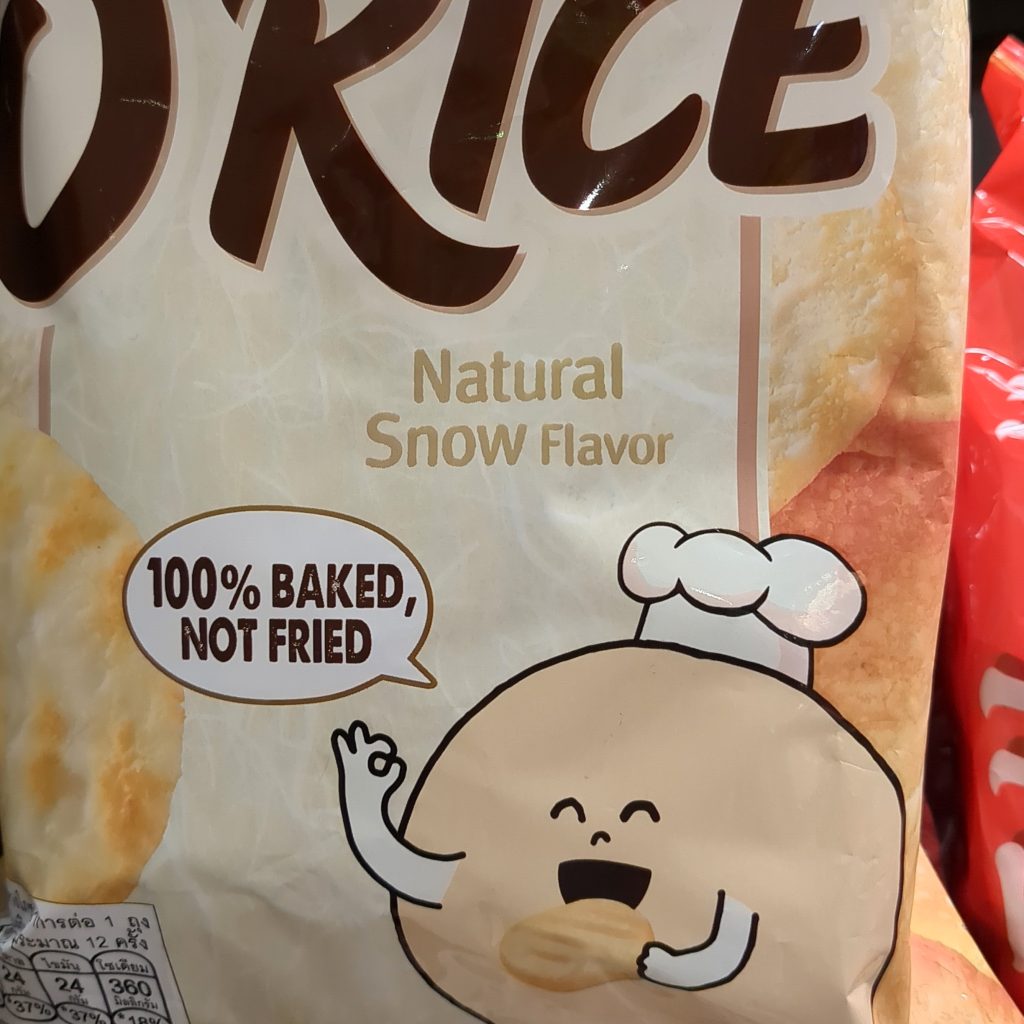
Indian spices, for example. Some are easy to find, others almost impossible. Bread is difficult too. The sort sold in local bakeries is a bit sweet by European standards, with an unfamiliar texture. Finding snow-flavoured crisps is easy, but locating wholemeal or rye bread requires quite a bit of effort.
Luckily, we quickly stumbled across Oma’s (Grandma’s in German), a bakery that sells bread and cakes that are every bit as good as anything you’d find in Munich. It has a restaurant that’s excellent too.
We’ve also discovered bakeries selling French pastries and baguettes that are better than in Paris. We know this because Taiwan’s bakers came second in the Coupe du Monde de la Boulangerie competition in 2026, after South Korea. France came third.
The first time Taiwan entered the competition, in 2022, it won gold.
Traditional Taiwanese bakeries are great for other reasons. Many have amazing puddings – baked Portuguese custard tarts, individual crème caramels, and tubs of luscious Italian Tiramisu, sprinkled with just the right amount of powdered cocoa. Many also sell Japanese mochi, which we adore, especially the peanut or black sesame ones. Others sell fruit buns and scones that easily match the standard of the homemade ones sold at village fêtes in England.
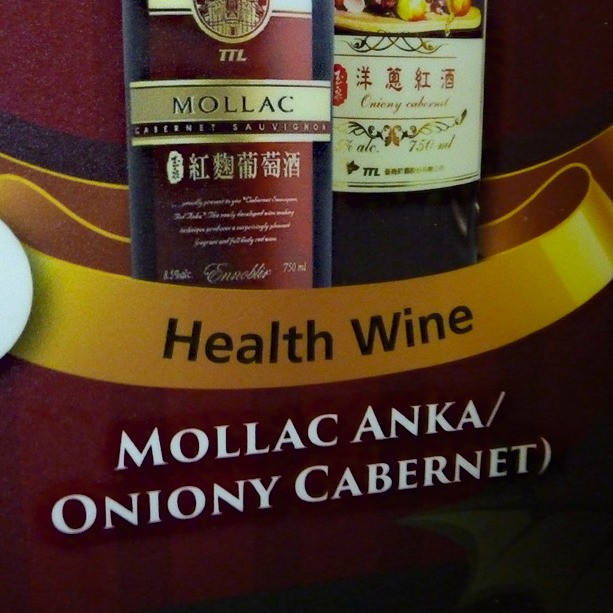
Wine is a bigger challenge. It’s relatively easy to find but often expensive, and the quality can be variable, especially when a valued local feature is for wine to be ‘oniony’.
Until recently, a reliable source of good French wine was Carrefour’s branch in the Tianmu district of Taipei, where there are several international schools. But this has been sold, along with most of its stock of Bordeaux, Burgundy and Côtes du Roussillon, unfortunately.
Cooking oil is one of the biggest challenges, and it comes with risks.
Many years ago there was a well-publicised scandal in Taiwan, when waste oil was filtered and sold as new. Recently, other cooking oils have been found to contain high levels of a known carcinogen.
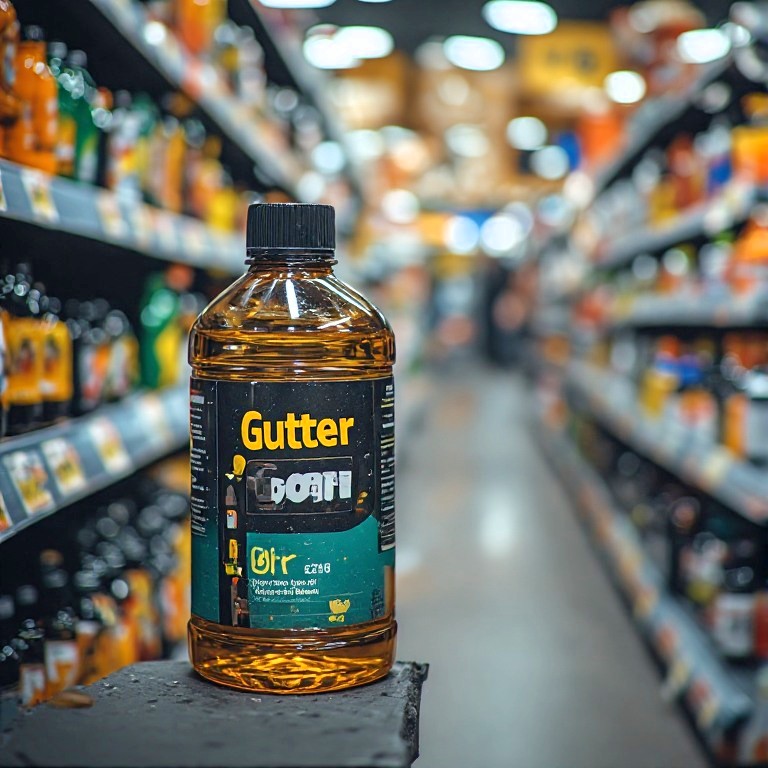
The biggest problem is identifying oil that’s safe and genuine when there are fakes and obscure brands and blends that only exist in Taiwan. Cost is no guide. Because people assume there’s a link between price and quality, unscrupulous traders sell questionable oil for the highest prices. The label on the bottle may state that it comes from Spain or Italy, but that means nothing either.
Even if we think we’ve found cooking oil that’s safe to use at home, we’ve still got no idea what restaurants are using, and nor do they. Many of the big stores and chains, even international ones, have been tricked into buying questionable oils too.
Less risky are tissues and cotton face pads. They’re easy to find but they tend to lack function, dissolving on contact with human skin. Shampoo can be hard to find too, certainly for wispy hair like ours.
Then there’s fruit. While Taipei’s markets are full of the most delicious fruits, they are often very sweet. This is not just because the tropical sunshine has boosted their natural sugar content. There have been cases throughout Asia of fruit being doctored, injected with colourings and sweeteners.
Our biggest challenge is cheese. When we lived in Vienna, we would take a trip to Naschmarkt most Saturday afternoons to visit our favourite cheese shop, with 300 varieties to choose from. We’d go home with a week’s supply of delicious cheese for around 12 euros.
Finding any cheese in Taiwan is hard. Most supermarkets have a limited range – usually cream cheese with lots of additives, and that sliced, individually wrapped, American cheddar, which has even more.
Finding Brie, Gruyère, Danish Blue, Emmental or Gouda is almost impossible. There are a handful of shops that sell proper cheese but the prices are astronomic. What we used to buy in Vienna costs four times as much, and the result is often disappointing.
Oddly, there are also some Chinese foods that take effort to find too.
We are rather partial to a bowl of mapo tofu on occasion, (the sort that when you first taste it is so spicy that you’re not sure if you want more but then you have another mouthful to be sure, and soon discover the bowl is empty), as well as roast duck. Both have proved very difficult to find.
We recently solved the duck problem. There’s a mobile Beijing Duck stall, we’ve discovered.
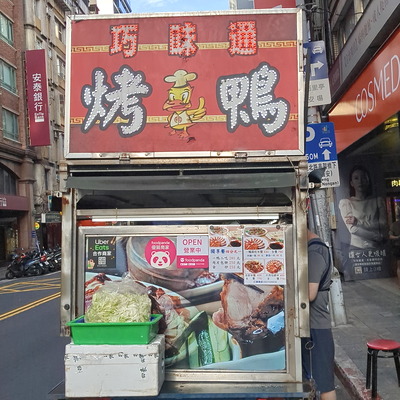
Now we just need to work out where to find it when we want it. If you have any suggestions for where we can find good mapo tofu, let us know.